
Should I repair or replace my car's engine?
It depends on the cause and extent of the damage, the car's value and condition, and parts availability. Many problems — leaks, sensors, gaskets, cooling faults — are repairable. Replacement is usually considered when there is major internal damage such as a seized engine or severe bearing wear. A diagnosis comes first so the decision is based on facts.
Signs of an engine problem
- Knocking, ticking or rattling from the engine
- Oil leaks or oil use between services
- Blue, white or black smoke from the exhaust
- Overheating or coolant loss
- Loss of power, misfires or difficulty starting
- The oil pressure warning light comes on
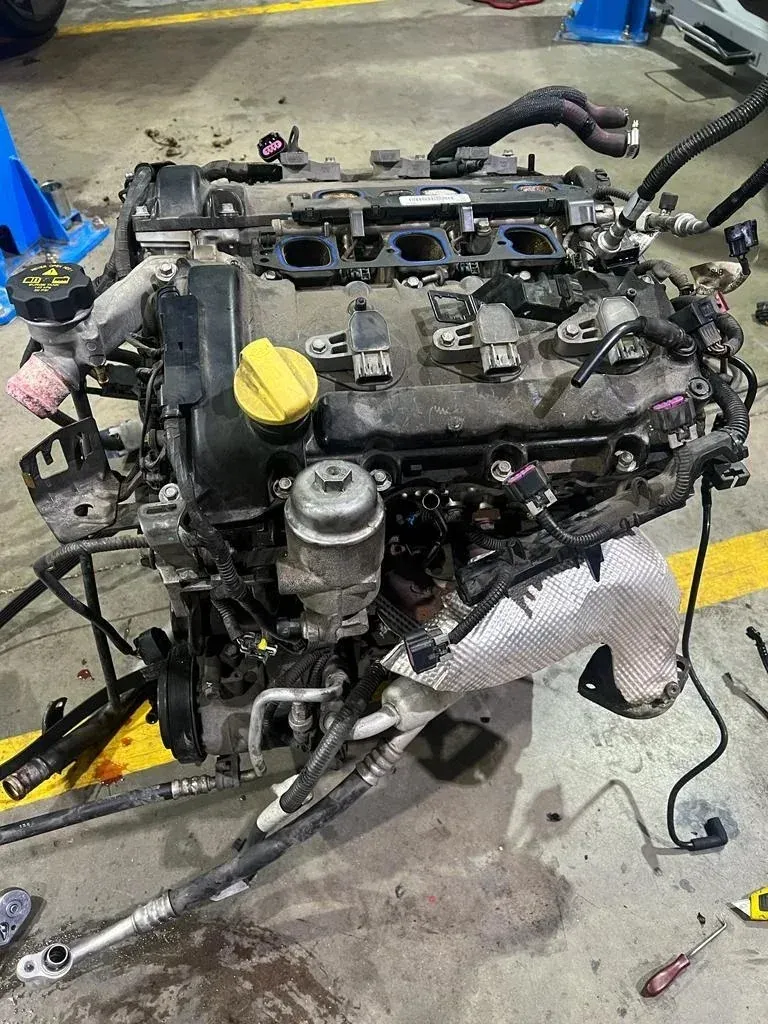
What engine repairs do we handle?
Engine work ranges from small jobs to major ones. Common repairs include:
- Oil leaks from rocker cover gaskets, sump gaskets and seals
- Cooling system faults: water pumps, thermostats, radiators and hoses
- Ignition faults: spark plugs, coils and leads
- Sensor and intake faults that cause poor running
- Head gasket replacement (see our head gasket page)
- Timing belt and chain work (see our timing belt and chain page)
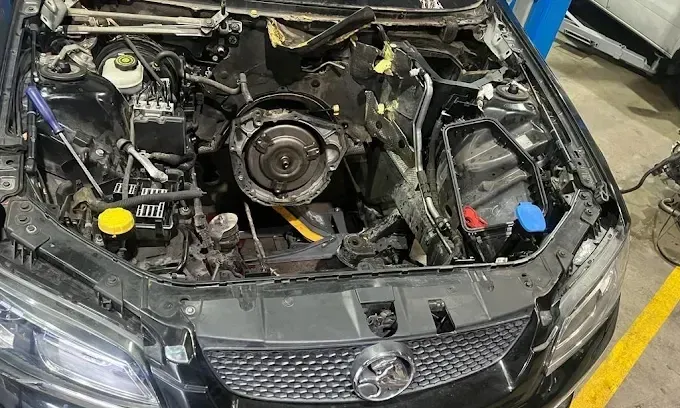
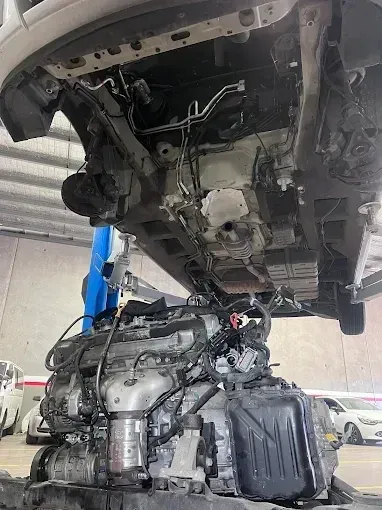
- Engine replacement when internal damage makes repair impractical
How do we diagnose an engine problem?
We start with the symptoms and the car’s history, then use the right tests: scan tool data, compression or leak-down testing, cooling system pressure testing and a careful visual inspection. This tells us whether a problem is external and repairable or internal and serious.
When is engine replacement the right choice?
Replacement is usually considered when there is internal damage such as a seized engine, a spun bearing or major cylinder damage. Before recommending it, we explain what we found, what a replacement involves, and what other parts are worth renewing at the same time — such as the clutch, mounts, hoses and timing components — while access is easy.
Questions worth asking your mechanic
Whoever works on your car, these questions help you understand the job and the quote:
- What did you find, and how did you confirm it?
- Is a repair realistic, or is replacement the better option for this car?
- If replacing, is the engine new, reconditioned or used, and what warranty comes with it?
- What else should be replaced while the engine is out?
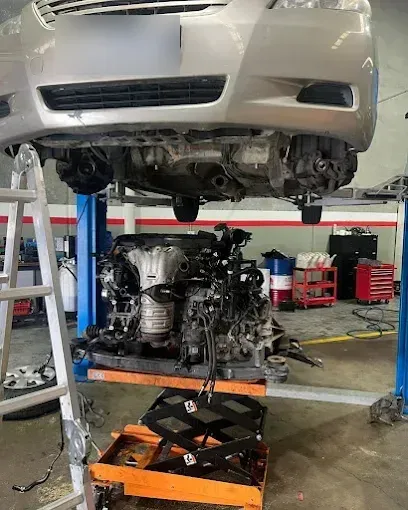
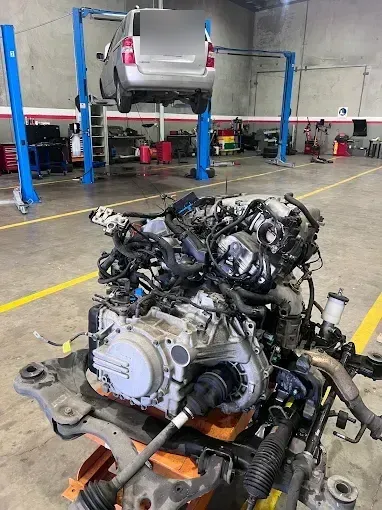
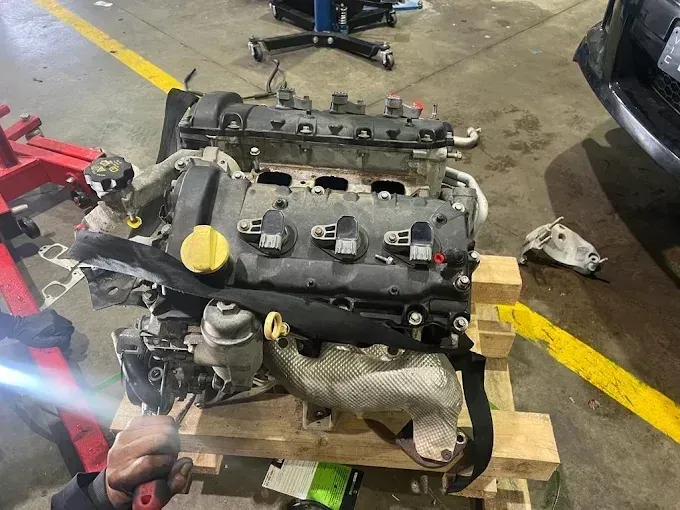
From our workshop
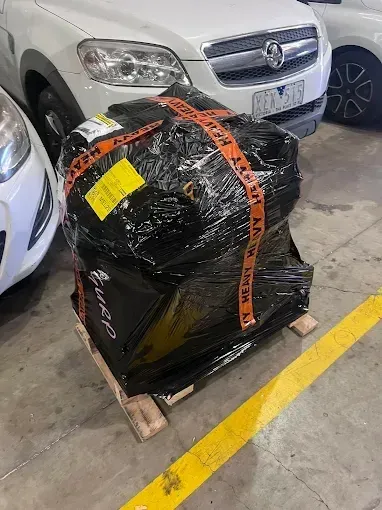
Recent jobs photographed at our Sunshine North workshop.
Frequently asked questions
What causes most major engine damage?
Common causes include running low on oil, overheating, overdue oil changes, and timing belt failure on interference engines. Regular servicing and acting early on warning signs prevent many of these.
What are my options if the engine needs replacing?
Options can include a reconditioned engine or a used engine from a known source, depending on the vehicle and availability. We explain the trade-offs in cost and warranty so you can decide.
Is it worth fixing an engine in an older car?
Sometimes yes, sometimes no. We'll give you the repair cost and an honest view of the rest of the car's condition so you can compare it with the car's value.